





In an industry increasingly shaped by digital influence, premiumization, and shifting channel dynamics, L’Oréal Professionnel is reinforcing a foundational belief: the professional stylist remains the most powerful growth driver in haircare.
But that belief lands at a moment of tension. Across the industry, stylists have become some of beauty’s most influential voices, while simultaneously facing mounting pressure on one of their core revenue streams: retail. As e-commerce and mass distribution expand, many professionals are finding themselves competing with the very brands they use in-salon.
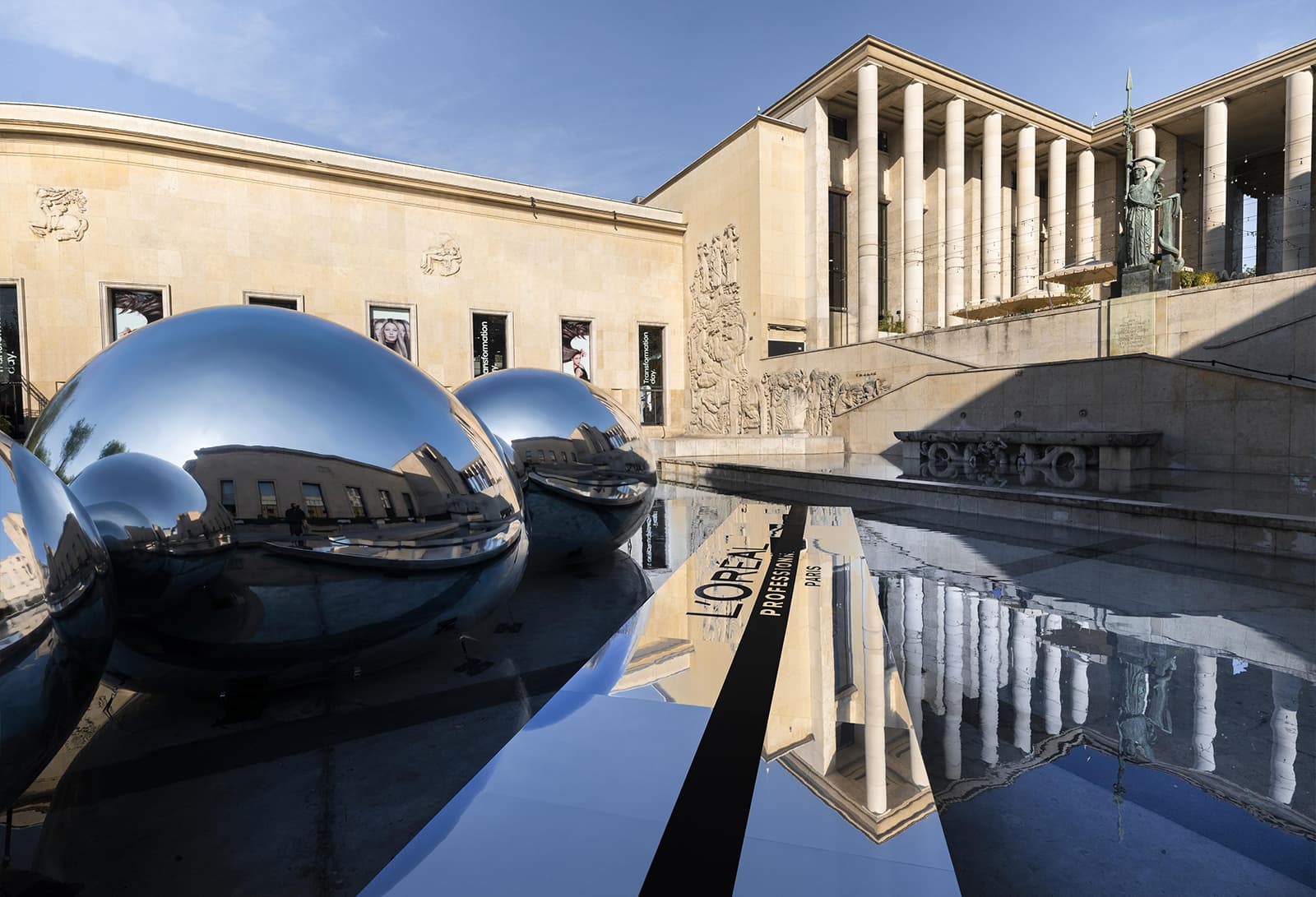
L’Oréal Professionnel’s latest initiative, Transformation Day, staged at Palais de Tokyo in Paris on April 25 and 26, signals the company's attempt to resolve that tension. Rather than positioning the professional channel as a point of sale, it reframes it as an integrated engine for content, commerce, and innovation.
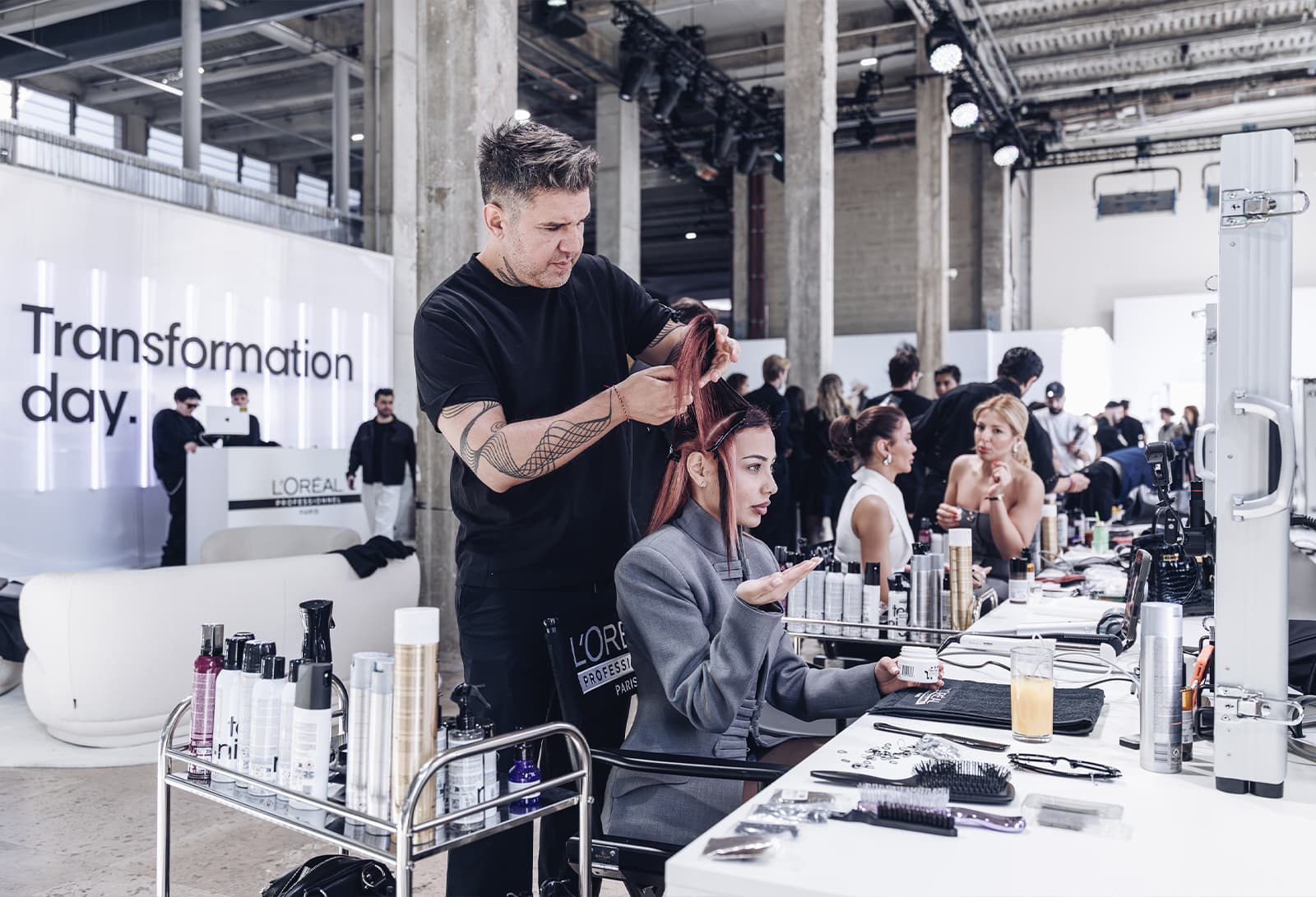
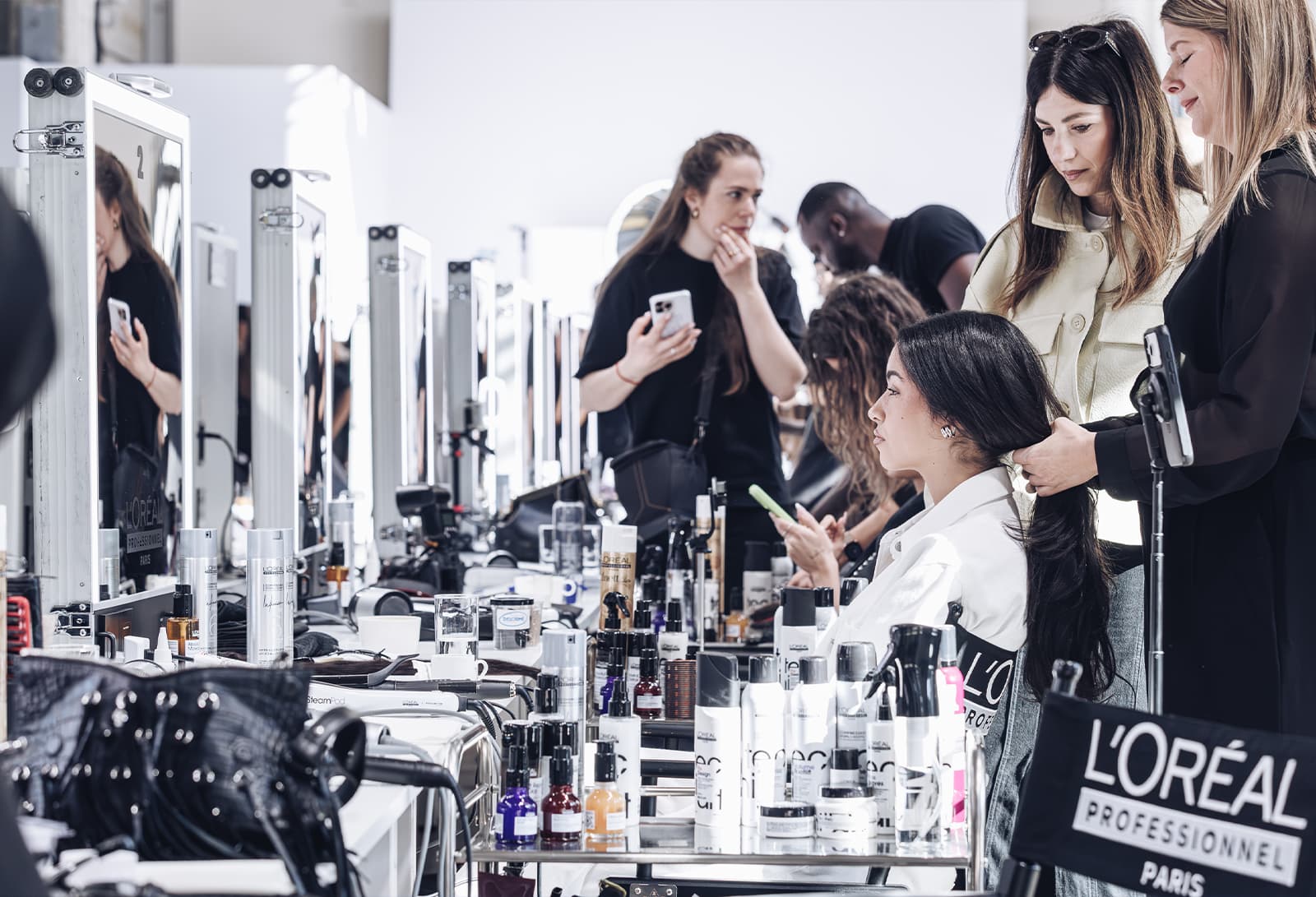
Bringing together more than 100 global influencers, celebrities, and top-tier stylists, the two-day event transformed live hair services into globally distributed media moments. Beneath the spectacle sits a tightly constructed business strategy: scale stylist capabilities, embed them more deeply into the consumer journey, and shift their role from seller to source of demand.
For Claire Le Bleis, Global Brand President of L’Oréal Professionnel, investment in the professional community is not discretionary; it is structural.
“As market makers, investing in our global network of 2.5 million professionals is not a marketing decision, it’s an industry decision,” she told BeautyMatter.
The distinction is critical. Rather than treating stylists as a downstream sales channel, L’Oréal Professionnel positions them as upstream value creators. The logic: better-trained, better-equipped stylists build stronger businesses, which in turn expand category demand.
“The impact is very concrete,” Le Bleis added. “A hairdresser who masters the latest techniques valorizes his offer and builds a stronger clientele. A hairdresser who masters social media and content creation builds visibility and grows their business.”
This dual emphasis—technical mastery and digital fluency—reflects a redefinition of professional success. Skill alone is no longer sufficient; visibility and influence are increasingly central to economic value.
Transformation Day operationalized this shift by turning salon services into content at scale.
More than a live event, it functioned as a distributed content-production system in which stylists and influencers co-create transformation narratives designed for immediate amplification. The result is a feedback loop that connects inspiration directly to the transaction.
Le Bleis points to the scale of the opportunity: “When a hashtag like #HairTransformation reaches over 15 billion views, our ambition is clear: we want hairdressers to be at the center of that conversation. Not just present, [but] central.”
Yet this “virtuous cycle” remains contested. For many stylists, the rise of e-commerce has not reinforced their role, but eroded one of their most important revenue streams: retail. The same visibility that drives demand can also redirect purchasing away from the salon.
L’Oréal Professionnel’s strategy implicitly reframes that dynamic. Rather than anchoring value in point-of-sale control, it shifts emphasis to influence. In this model, even if transactions occur elsewhere, the stylist remains the primary driver of consumer decision-making.
“Retail and e-commerce build awareness … they create desire, they educate consumers, and ultimately they reinforce the value of professional expertise,” Le Bleis said. “The salon remains non-substitutable for technical services; no product on a shelf can replace the expertise of a trained hairdresser.”
The professional channel also plays a central role upstream in product development, shaping both innovation pipelines and time to market.
This co-creation model operates bi-directionally. In some cases, R&D develops new technologies that stylists refine into usable services; in others, innovation originates directly from challenges encountered in the salon.
The Metal Detox illustrates the latter: Developed to address the technical complexities of extreme color transformations faced by professionals, it has become a top-performing product across key markets.
Transformation Day has extended this model into a live environment, where new technologies such as Keratin Alpha Sleek are not only showcased but tested in real time through stylist execution and immediate consumer response.
Beyond product innovation, L’Oréal Professionnel is investing in technology as a lever to enhance salon economics.
“We view technology as a way to elevate the professional experience and add value to every salon visit,” said Le Bleis.
Tools such as digital diagnostics and connected devices enable more personalized consultations and services, aligning with consumer expectations for bespoke experiences. The commercial implication is clear: greater service differentiation supports premium pricing and stronger client retention.
“The result: a more personalized service, a stronger client relationship, and a salon visit that justifies the professional price point.”
At scale, this represents an opportunity to expand the total addressable market for professional services, particularly as consumers trade up into higher-value haircare routines. “Technology is absolutely a new frontier for salon profitability,” Le Bleis added, while emphasizing that it enhances—not replaces—the role of the stylist.
The strategic timing of Transformation Day aligns with strong category momentum across multiple segments. “Professional hair[care] is growing everywhere, and across multiple categories simultaneously,” Le Bleis noted.
Key growth drivers include the resurgence of color services, fueled by social media trends, and increased investment in hair health as consumers shift toward premium routines. At the same time, geographic expansion remains a priority.
“In mature markets like the US and Europe, demand remains very strong.… And in emerging markets like India, we are actively elevating and sophisticating the market,” she said.
Transformation Day supports this dual strategy, functioning as a globally scalable platform with local activation potential. Brazil, for example, used the event to launch the Keratin Alpha Sleek, translating global visibility into regional commercial impact.
While large-scale events are often evaluated through brand metrics, L’Oréal Professionnel is explicit about its commercial expectations.
“Transformation Day is both a cultural moment and a commercial launchpad,” said Le Bleis.
Success is measured across multiple dimensions: global reach, content performance, and direct commercial uplift in both product sales and professional services.
“Our more than 100 KOLs [Key Opinion Leaders] captured live content throughout the day, creating a massive social commerce platform, with direct redirections to e-retailers and an unprecedented global amplification,” she explained.
This integrated measurement approach reflects a broader industry shift in which the boundaries between marketing, education, and sales are increasingly blurred.
At its core, Transformation Day underscores a repositioning of the stylist within the beauty value chain.
“We don’t see our Global Creative Contributors as ambassadors; they are true co-creators,” said Le Bleis.
This signals a move away from traditional top-down brand communication toward a decentralized, network-driven model of innovation and influence.
In practice, that shift is visible in how trends now emerge and scale. Stylists originate looks in-salon—testing and refining techniques on real clients—before distributing them globally through social platforms via transformation content and educational breakdowns. What begins in the chair can reach millions within hours.
Monetization follows across multiple layers. Demand converts into booked services, often at higher price points, while product recommendations—whether fulfilled in-salon or via e-commerce—extend the commercial impact. For leading stylists, that influence further translates into brand partnerships, affiliate revenue, and expanded visibility.
The broader strategic bet is clear: in a fragmented, omnichannel landscape, control over distribution may matter less than control over influence. By embedding stylists at the center of content creation and consumer decision-making, L’Oréal Professionnel is attempting to anchor growth at the point of demand generation.
As Transformation Day demonstrated, the salon is no longer just a physical space. It is a stage, a studio, and increasingly, a node in a global content and commerce network.